
Why Does Your Student Loan Payment Change?
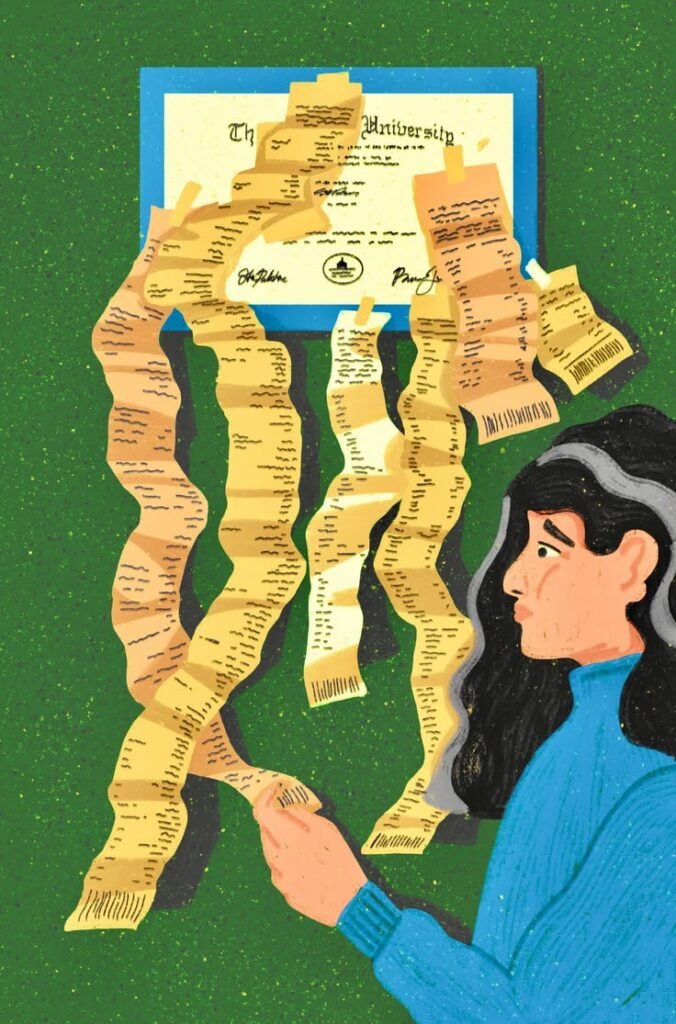
Have you ever checked your student loan account and noticed that your monthly payment is different from what you expected? Perhaps your payment increased after a few months, decreased when your income changed, or became higher after your repayment period was adjusted. If this has happened to you, you may be wondering, why does your student loan payment change, and what can you do about it?
Student loan payments can change for several reasons. Your interest rate may be different, your repayment plan may have been updated, or your loan servicer may have recalculated your payment based on your financial circumstances. In some cases, changes in your outstanding balance or repayment schedule can also affect how much you owe each month.
Understanding why your student loan payment changes is important because it helps you prepare your budget, avoid missed payments, and make informed financial decisions.
In this article, we will explain the most common reasons student loan payments change, how interest rates affect your monthly bill, and what you can do if your payment becomes difficult to manage.
1. Your Interest Rate May Have Changed
One of the main reasons your student loan payment may change is a change in your interest rate.
When you borrow money for college, the lender generally charges interest on the outstanding balance. The interest rate determines how much it costs to borrow the money.
Some student loans have fixed interest rates, while others have variable interest rates.
Fixed interest rates
A fixed interest rate stays the same throughout the agreed period of the loan.
For example, suppose you borrow $25,000 at a fixed annual interest rate of 5.5%. If the loan terms remain unchanged, your interest rate will not increase simply because market interest rates rise.
With a standard repayment schedule, your required principal-and-interest payment will generally remain consistent, assuming there are no other changes to the loan.
However, your monthly bill may still change if you enter a different repayment plan, become subject to new fees, or experience another adjustment allowed under your loan agreement.
Variable interest rates
A variable interest rate can rise or fall according to the terms of the loan.
If market rates or the benchmark used by your lender increase, your interest rate may also increase. This can raise the amount of interest charged on your outstanding balance and potentially increase your monthly payment.
For example, imagine that you have a private student loan with a variable interest rate. If that rate increases during repayment, a larger portion of your payment may go toward interest.
Depending on your loan agreement, the lender may adjust your monthly payment, repayment schedule, or both.
What should you do?
Check your loan documents to determine whether your interest rate is fixed or variable. If you have a variable-rate loan, ask your lender how often the rate can change and how those changes affect your monthly payment.
Understanding your interest rate can help you prepare for possible increases and avoid unexpected financial pressure.
2. Your Income-Driven Repayment Plan Has Been Recalculated
Your student loan payment may also change if you are enrolled in an income-driven repayment plan.
These plans are designed to make eligible federal student loan payments more manageable by considering factors such as your income and family size.
Unlike a standard repayment plan, where the payment is generally calculated using the loan balance, interest rate, and repayment term, an income-driven plan may calculate your payment using your financial circumstances and the rules of the specific plan.
This means your monthly payment may change when your income changes or when your repayment information is reviewed.
What happens when your income increases?
Suppose you graduated from college and started working at an entry-level job. Your income was relatively low, so your required payment under an eligible income-driven plan was manageable.
After a few years, you received a promotion and began earning more money.
Depending on the repayment plan’s rules, your required monthly student loan payment could increase when your income is reassessed.
Although a higher payment may affect your budget, it can also mean that you are in a better financial position to repay your debt.
What happens when your income decreases?
The opposite may also happen.
If you lose your job, work fewer hours, or experience a significant reduction in income, you may qualify for a lower payment under an eligible plan.
However, you should not assume that your payment will automatically decrease. You may need to update your information or submit a request through the appropriate process.
What should you do?
If your payment changes under an income-driven repayment plan, review the notice explaining the adjustment.
For U.S. federal student loans, visit StudentAid.gov to review current repayment information and available options. You can also contact your loan servicer to confirm how your payment was calculated.
Remember that repayment plan rules and eligibility requirements can change, so use official sources when reviewing your options.
3. You Have Switched to a Different Repayment Plan
Another reason your student loan payment may change is that you have switched repayment plans.
Student loans can have different repayment arrangements, and each plan may calculate the required monthly payment differently.
For example, one plan may spread payments over a standard repayment period, while another may allow a longer repayment term or calculate payments based on income.
Changing plans can therefore affect both your monthly payment and the total amount you repay over time.
How can a different repayment plan affect your payment?
Imagine that your current repayment plan requires you to pay $350 per month.
After reviewing your budget, you decide to explore another eligible plan that offers a lower monthly payment.
Depending on your loan balance, interest rate, eligibility, and the new plan’s rules, your required payment may decrease.
This can give you more room in your budget for rent, groceries, transportation, and other essential expenses.
However, a plan with a longer repayment period may increase the total interest you pay because the debt remains outstanding for longer.
In some cases, switching plans may also change how payments are allocated or affect eligibility for certain benefits.
What should you do?
Before switching repayment plans, compare the monthly payment, repayment period, total interest, and any important benefits or protections associated with each option.
For federal student loans, confirm which plans are currently available to you. For private student loans, contact your lender to ask whether it offers alternative repayment arrangements.
Do not choose a repayment plan based only on the size of the monthly payment. Consider the long-term financial consequences as well.
4. Your Loan Balance Has Changed
Your outstanding student loan balance can also affect your monthly payment, particularly if your repayment schedule is recalculated.
Your balance may change because of interest charges, additional payments, certain fees, or adjustments to your loan account.
Understanding these changes can help you determine why your payment is different from what you expected.
Interest can increase your balance
When interest accrues on your loan, the amount you owe may increase if your payments do not cover all the interest and other amounts due.
The way this affects your balance depends on your loan terms and repayment arrangement.
For example, if you temporarily stop making payments and interest continues to accrue, you may owe more when you resume repayment.
In some circumstances, unpaid interest may be capitalized, meaning it is added to the principal balance. Whether this happens depends on the loan type and applicable rules.
A larger balance can increase the cost of repayment and may affect your payment if the repayment schedule is recalculated.
Extra payments can reduce your balance
Making additional payments toward your student loan may reduce your outstanding principal faster, depending on how the lender applies the money.
If you continue paying according to the original repayment schedule, extra payments may help you pay off the loan sooner and reduce total interest costs.
However, an extra payment does not necessarily reduce your required monthly payment automatically. Some lenders may require you to request a formal recast or repayment adjustment, if such an option is available.
What should you do?
Review your loan statement and compare your current balance with your previous balance.
Look for interest charges, fees, payments, and account adjustments. If something appears incorrect, contact your loan servicer or lender for an explanation.
5. Your Loan Servicer Has Updated Your Account
Your monthly student loan payment may change because your loan servicer has updated your account or adjusted your repayment schedule.
A loan servicer is the company or organization responsible for handling certain administrative aspects of your loan. Depending on the arrangement, it may process payments, maintain account records, provide repayment information, and communicate with you about your loan.
Sometimes, an account update can affect the amount shown on your monthly statement.
For example, your servicer may have processed a repayment plan change, updated your payment due date, or corrected information associated with your account.
If your loan is transferred to a different servicer, you may also receive new account information and instructions for making payments.
A servicing transfer does not necessarily mean that your loan terms have changed. However, you should verify that the payment amount and account details are accurate.
What should you check?
If your payment changes unexpectedly, review the latest statement and any messages from your servicer.
Check the following details:
- Your outstanding loan balance.
- Your current interest rate.
- Your repayment plan.
- Your monthly payment amount.
- Your next payment due date.
- Any fees or account adjustments.
If the explanation is unclear, contact your servicer directly using verified contact information.
Keep copies of statements, payment confirmations, and important correspondence. These records can help you resolve discrepancies more easily.
6. You Are No Longer Receiving a Temporary Payment Benefit
In some situations, student loan borrowers receive temporary payment relief.
Depending on the loan type and applicable rules, this relief may involve a period of reduced payments, deferment, forbearance, or another approved arrangement.
When the temporary period ends, your required payment may change.
For example, suppose you received approval to temporarily pause your payments during a qualifying financial hardship.
When the approved period ends, you may need to resume making payments according to the applicable repayment terms.
Your payment amount and repayment schedule will depend on the details of your loan and the arrangement you received.
Why can this affect your budget?
If you have become accustomed to making no payments or reduced payments, returning to your regular monthly obligation can create financial pressure.
Additionally, interest may continue to accrue during certain periods of deferment or forbearance, depending on the loan type and applicable rules.
This means your outstanding balance or future repayment costs may differ from what you expected.
What should you do?
Before a temporary relief period ends, contact your loan servicer to confirm when payments will resume and how much you will owe.
Ask whether any repayment options are available if you cannot afford the scheduled payment.
Planning ahead can help you avoid missed payments and unexpected expenses.
7. Your Repayment Term Has Changed
Your repayment term is the amount of time you have to repay your student loan.
A change to that term can affect your monthly payment.
Generally, a shorter repayment term requires larger monthly payments because you must repay the balance over a shorter period. A longer repayment term can reduce the monthly amount but may increase the total interest you pay.
For example, suppose you owe $20,000 at a fixed annual interest rate of 5%.
If the loan is repaid over 10 years, your estimated monthly principal-and-interest payment would be approximately $212.
If the same balance and interest rate were spread over 15 years, the estimated monthly payment would fall to approximately $158.
These are illustrative estimates that assume a fixed interest rate, regular monthly payments, and no additional fees.
Although the longer term makes the monthly payment smaller, you would pay interest over an additional five years.
If your loan servicer changes your repayment term through an approved arrangement, your required payment may change accordingly.
What should you do?
Ask your servicer to explain the current repayment term and whether it has changed.
If you are considering a longer term to lower your payment, use a student loan calculator to compare the monthly savings with the additional interest you may pay.
8. Your Payment Was Calculated Incorrectly
Although many payment changes have a valid explanation, mistakes can sometimes occur.
For example, your account may display an incorrect balance, an adjustment may not have been processed properly, or your payment information may not reflect an approved repayment arrangement.
You should not assume that every payment increase is an error. However, you also should not ignore a change that you cannot explain.
Signs that your payment may need to be reviewed
Consider contacting your servicer if:
- Your payment differs from the amount stated in an approved repayment arrangement.
- Your interest rate appears incorrect.
- A payment you made is missing from your account.
- Your balance increased without a clear explanation.
- Your statement includes an unfamiliar fee.
- You received conflicting information about your repayment plan.
Gather relevant statements, payment confirmations, and correspondence before contacting your servicer.
Explain the discrepancy clearly and ask for a written breakdown of the amount you owe.
If you believe an error has occurred, keep a record of your complaint and any response you receive.
Taking these steps can help you understand your account and address problems before they become more difficult to resolve.
9. How Can a Student Loan Calculator Help You Understand Payment Changes?
A student loan calculator is a useful tool for estimating how different loan details affect your monthly payment.
If your payment has increased or decreased, a calculator can help you explore possible explanations and compare repayment scenarios.
Most standard student loan calculators require three basic details:
Loan balance: The amount you still owe.
Interest rate: The annual rate charged on your outstanding balance.
Repayment term: The amount of time available to repay the loan.
By changing these details, you can estimate how different interest rates, balances, and repayment periods affect your monthly obligation.
For example, you could compare the estimated payments for a $25,000 loan at 5% and 7% interest over a 10-year repayment period.
The results would help illustrate how a higher interest rate can increase the estimated monthly payment when the other assumptions remain unchanged.
You could also compare a 10-year repayment term with a 15-year term to see how extending the repayment period affects the monthly amount and total interest.
What a calculator cannot always explain
A basic student loan calculator may not account for every factor that affects your actual bill.
It may not include:
- Income-driven repayment formulas.
- Loan-specific fees.
- Temporary payment relief.
- Special loan servicing adjustments.
- Changes in eligibility or repayment rules.
- Certain interest capitalization events.
For this reason, use a calculator to explore estimates rather than treating the results as a guaranteed payment amount.
If your actual payment differs from the estimate, ask your servicer to explain the calculation.
10. What Should You Do When Your Student Loan Payment Changes?
If your student loan payment changes, taking a few practical steps can help you understand the situation and decide what to do next.
Step 1: Review your latest statement
Compare your current statement with previous statements.
Identify exactly what changed, including the payment amount, interest rate, loan balance, and due date.
Step 2: Read messages from your loan servicer
Look for notices about repayment plan changes, interest rate adjustments, account transfers, or the end of a temporary relief period.
These messages may explain why your payment is different.
Step 3: Contact your servicer
If the reason for the change is unclear, contact your loan servicer or private lender.
Ask for a clear explanation of how your current monthly payment was calculated.
Step 4: Review your budget
Determine whether the new payment fits your current income and essential expenses.
If it does not, ask about eligible repayment alternatives or hardship assistance.
Step 5: Compare your options
Use a student loan calculator to estimate different repayment scenarios.
Compare monthly payments, total interest, and repayment periods before deciding whether to change your plan.
Step 6: Keep records
Save statements, payment receipts, application confirmations, and messages from your servicer.
Maintaining accurate records can help you track changes and resolve possible errors.
Frequently Asked Questions
Can my student loan payment increase even if my interest rate stays the same?
Yes. Your payment may increase even when your interest rate remains unchanged. For example, your payment could change because you switched repayment plans, your income-driven payment was recalculated, or a temporary payment arrangement ended.
Your servicer can explain which factor affected your account.
Why did my student loan payment decrease?
Your payment may decrease because you qualified for a different repayment plan, your income was reassessed under an eligible income-driven plan, or your loan terms changed.
If you have a variable-rate private loan, a reduction in the interest rate may also lower your payment, depending on the loan agreement.
Can a student loan servicer change my payment without warning?
The notice and disclosure requirements depend on the type of loan and the reason for the change. If you notice an unexpected adjustment, review your account messages and contact your servicer to ask for an explanation.
Do not assume the change is correct or incorrect until you have reviewed the relevant information.
Will making extra student loan payments lower my monthly bill?
Not necessarily. Extra payments may reduce your outstanding balance and help you pay off the loan sooner, but your required monthly payment may remain the same.
Ask your lender whether it offers a formal payment recalculation or recasting option.
What should I do if I cannot afford my new student loan payment?
Contact your loan servicer as soon as possible. Explain your financial situation and ask about repayment options or hardship assistance for which you may qualify.
If you have federal student loans in the United States, visit StudentAid.gov for official information about current federal repayment options.
Avoid ignoring your payment notices, because missed payments can have financial consequences.
Conclusion
Student loan payments can change for several reasons, including interest rate adjustments, income changes, repayment plan updates, changes to your repayment term, and the end of temporary payment relief.
Sometimes, a payment change reflects a legitimate adjustment to your loan. In other cases, you may need to contact your loan servicer to clarify an unfamiliar charge or correct an account issue.
The most important step is to understand why your payment changed before making financial decisions.
Review your loan statement, check your repayment terms, and contact your servicer if anything is unclear. A student loan calculator can also help you compare different interest rates, repayment periods, and estimated monthly payments.
Remember that a lower monthly payment does not always mean lower overall costs. Extending your repayment period may make your budget more manageable today, but it could increase the interest you pay over time.
By staying informed and reviewing your options carefully, you can make better decisions about your student loans and keep your repayment plan aligned with your financial circumstances.